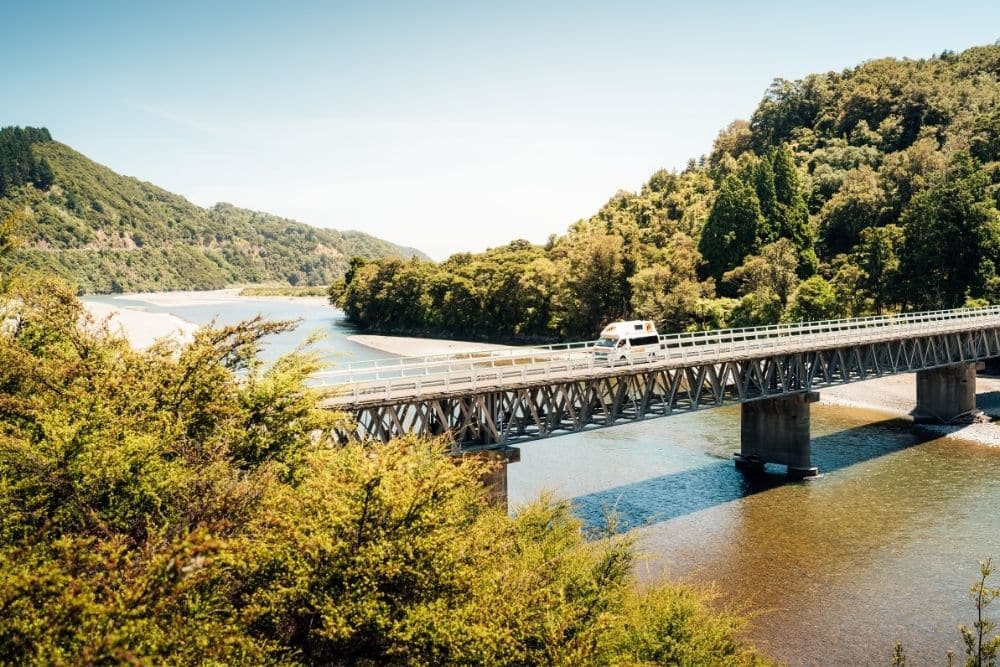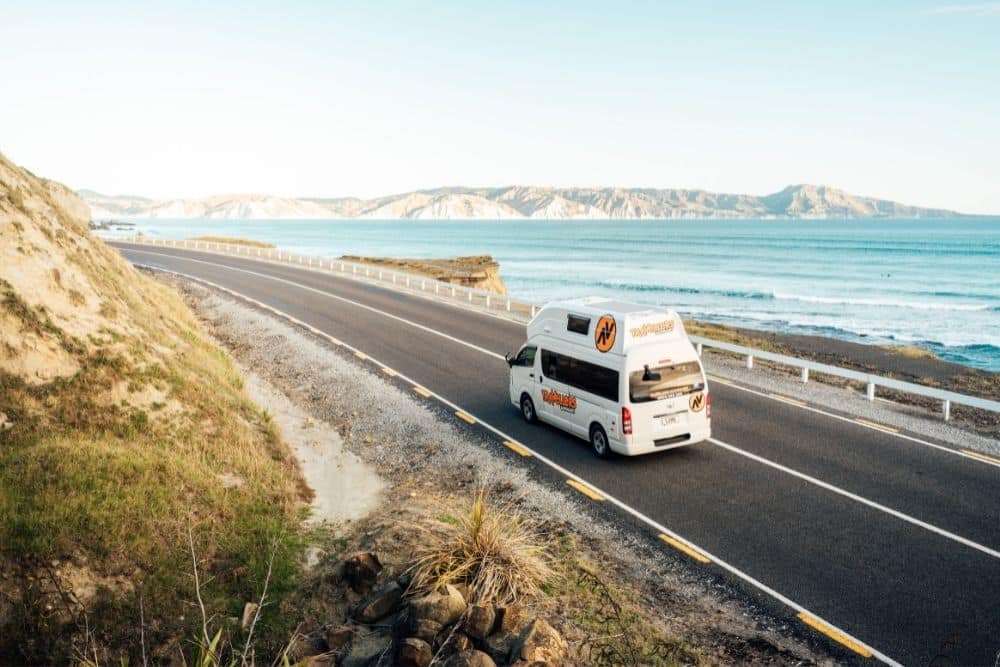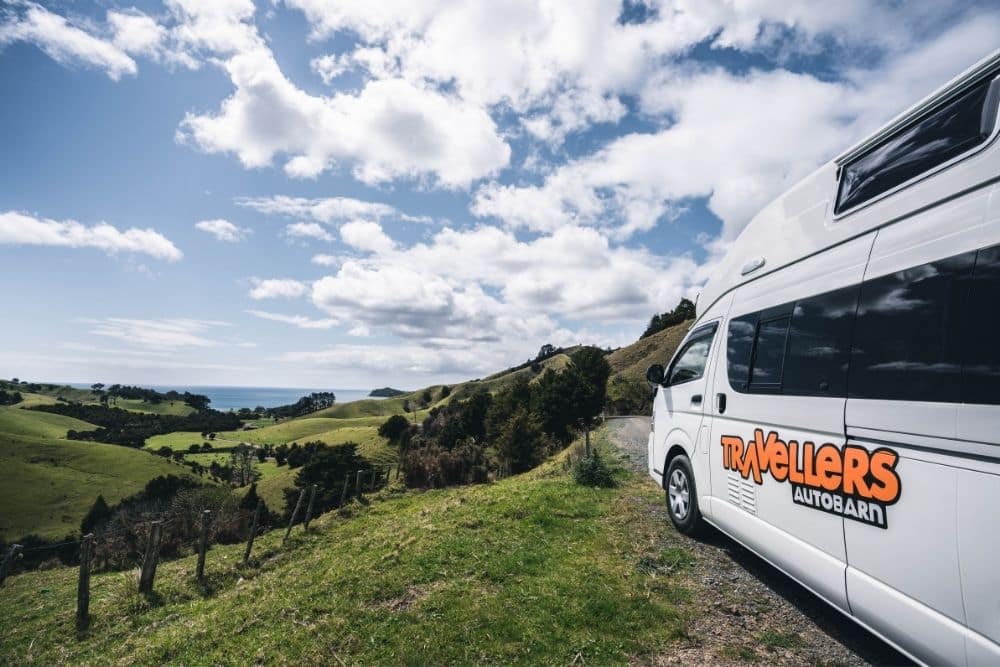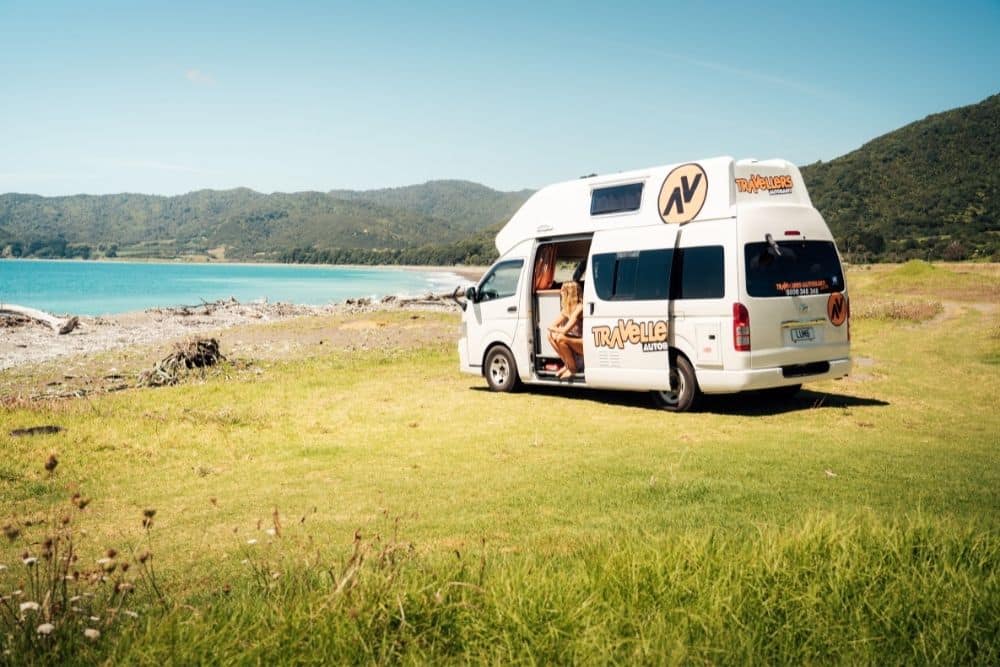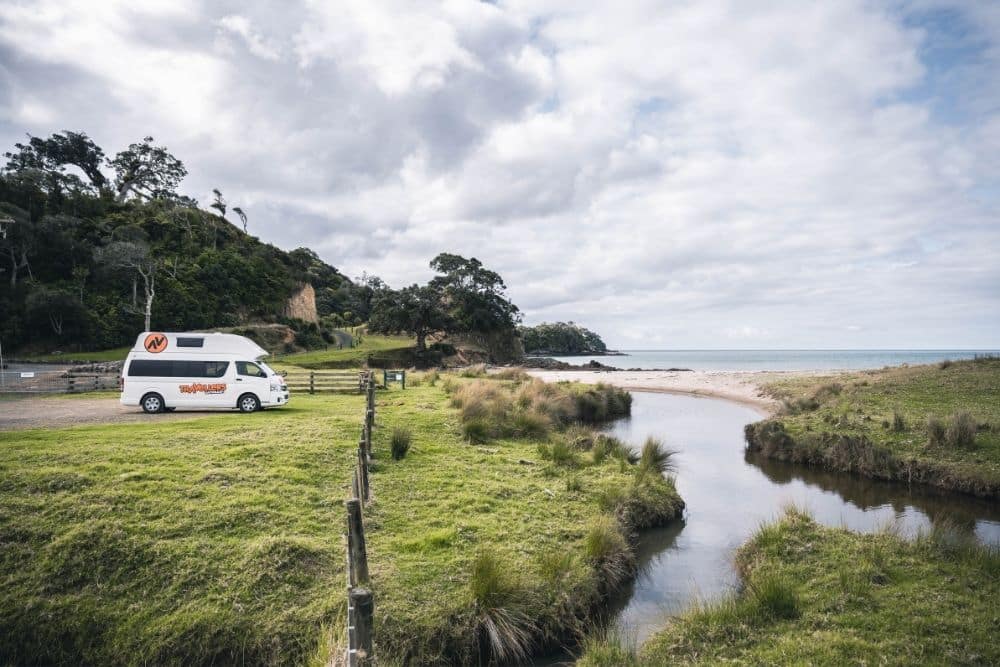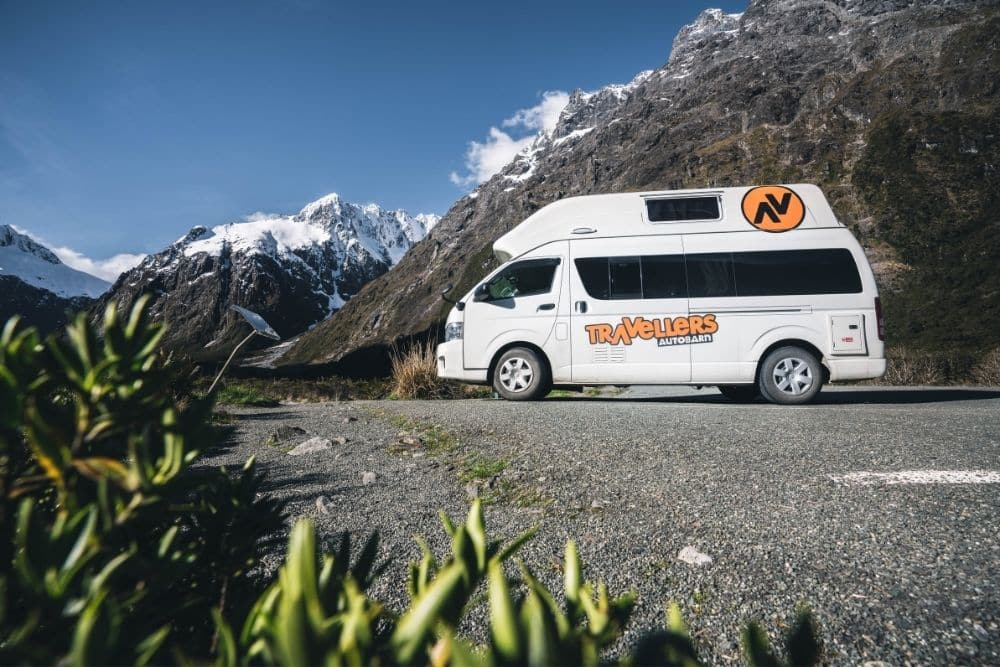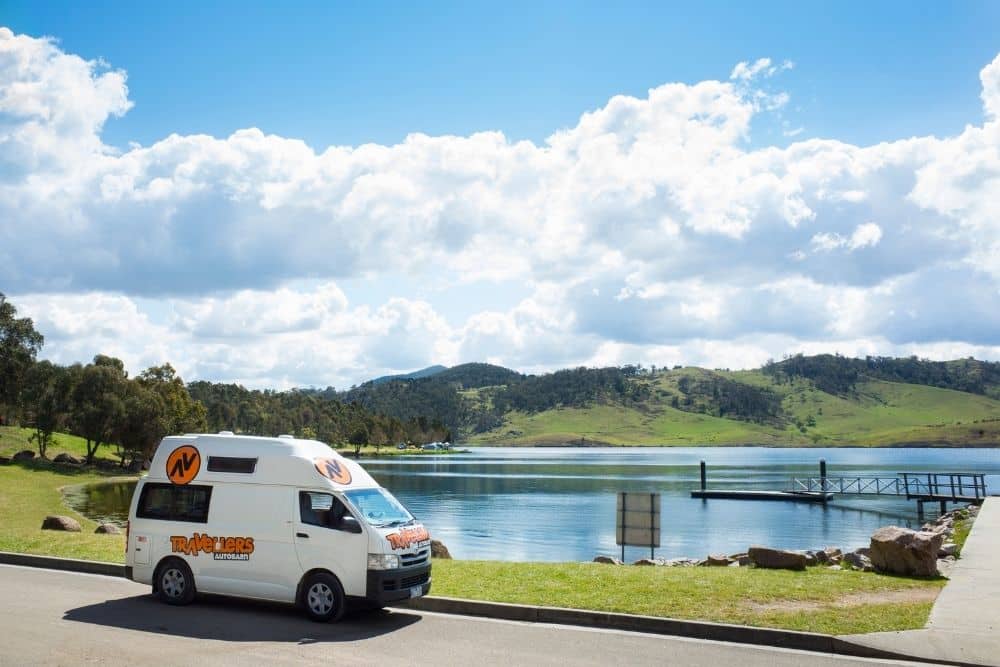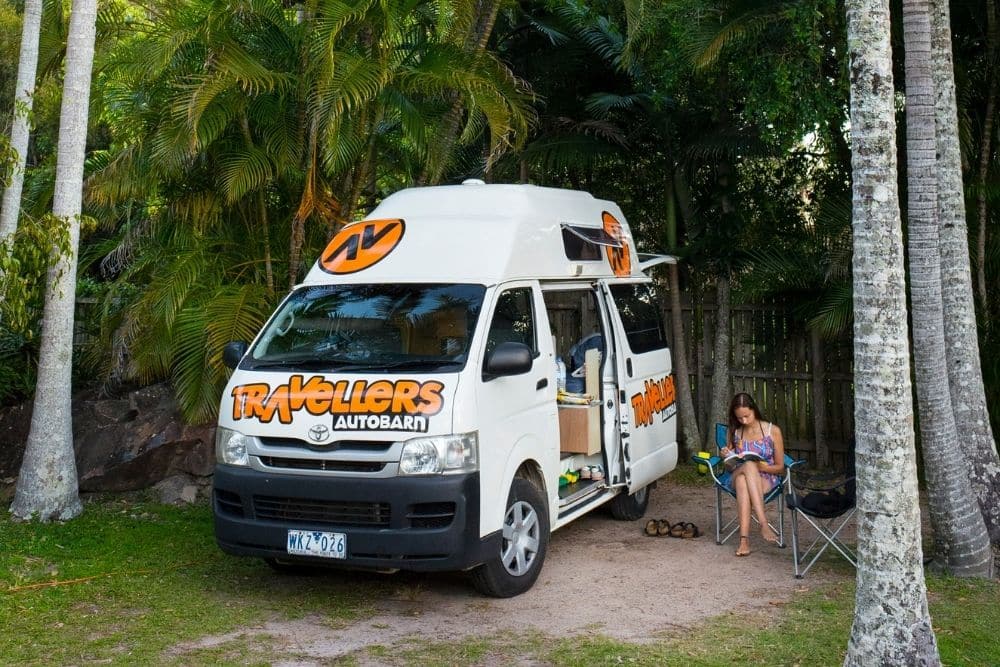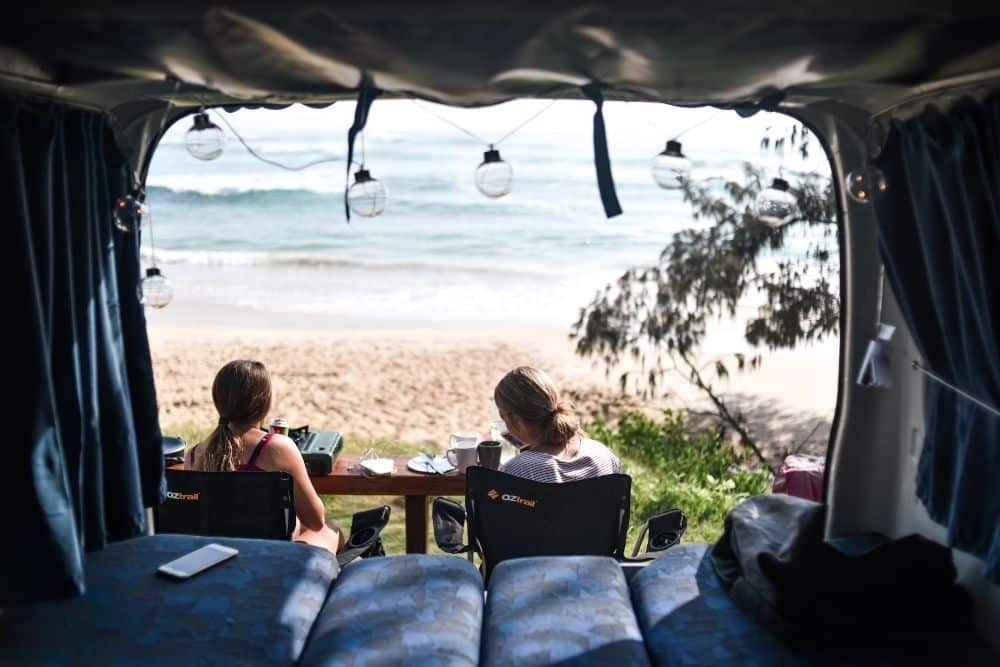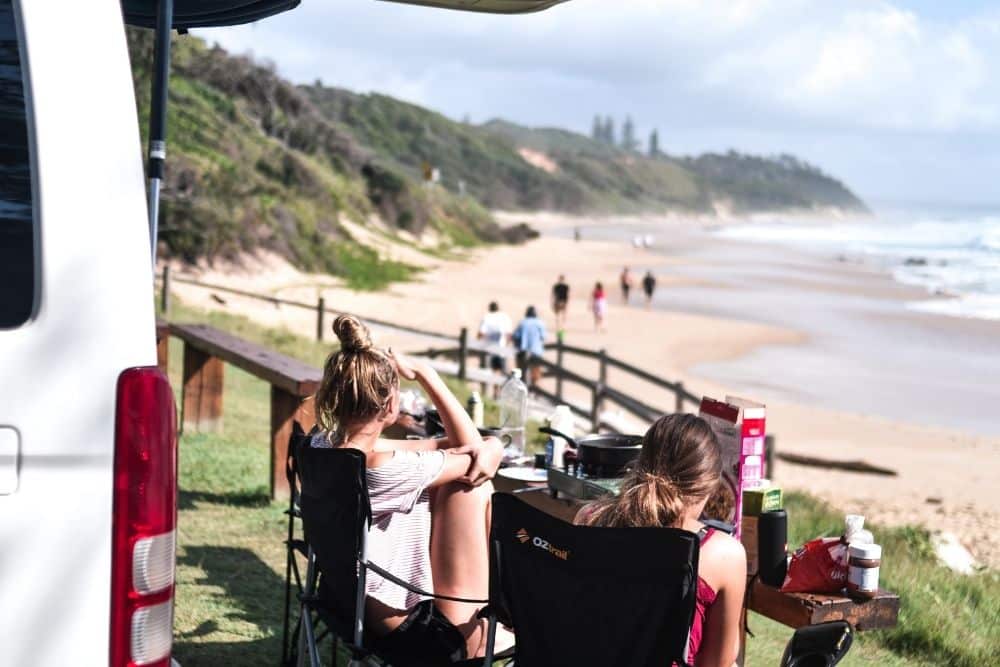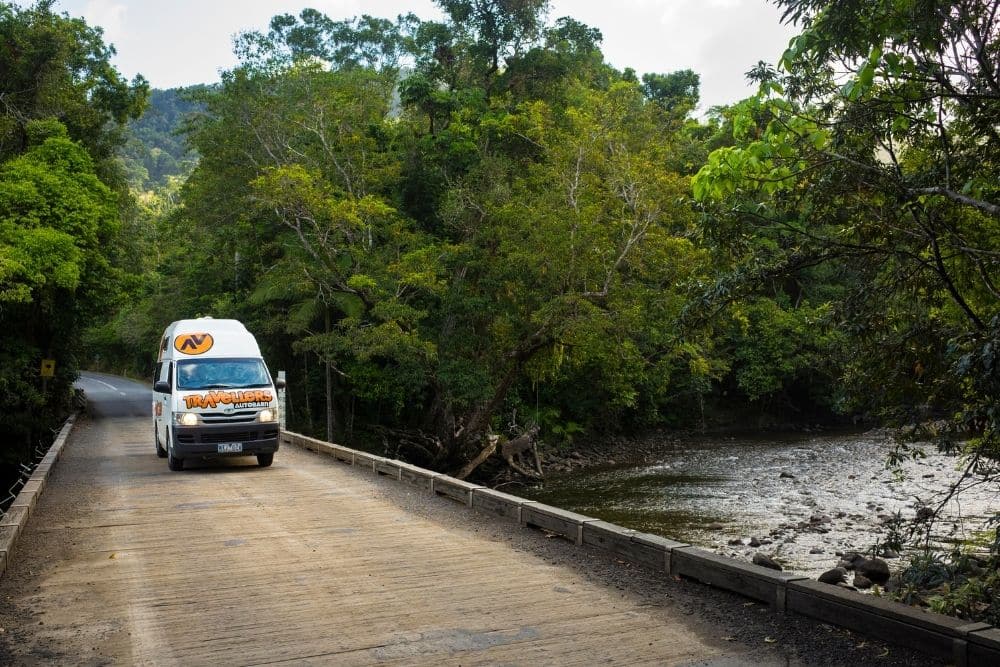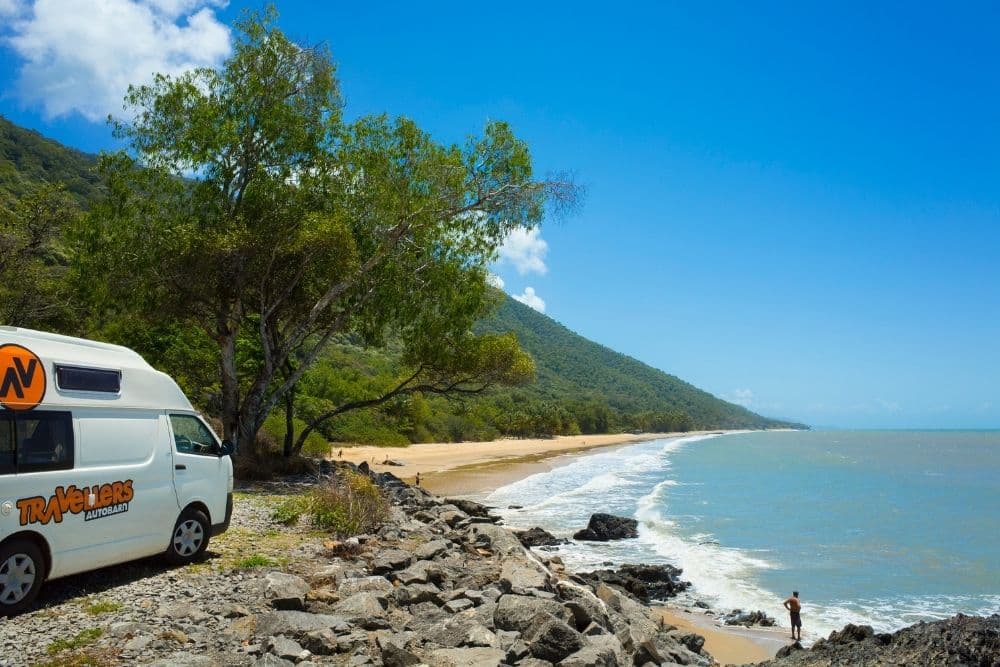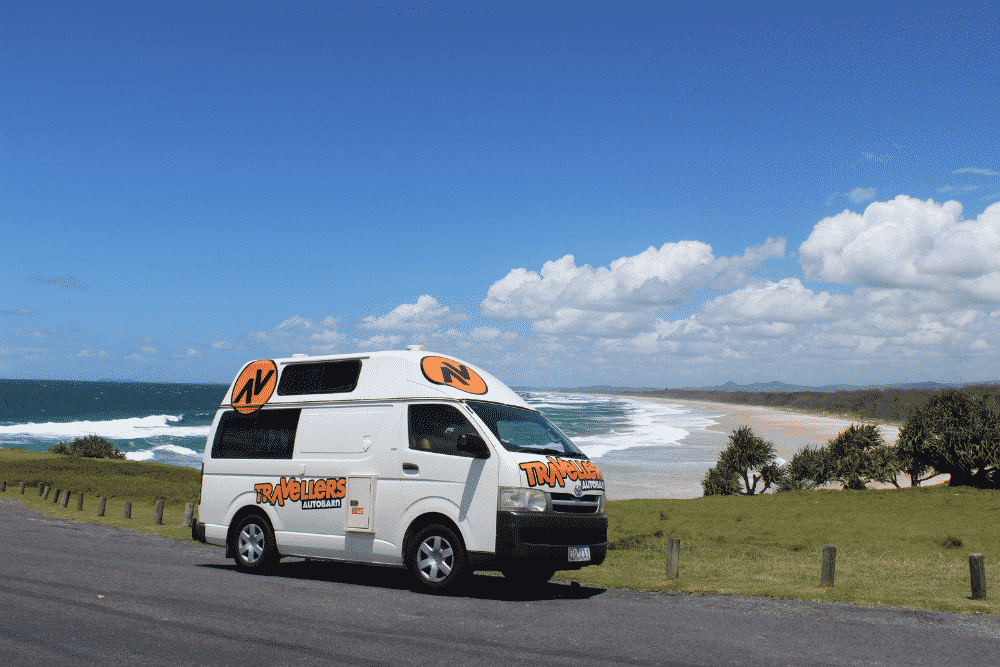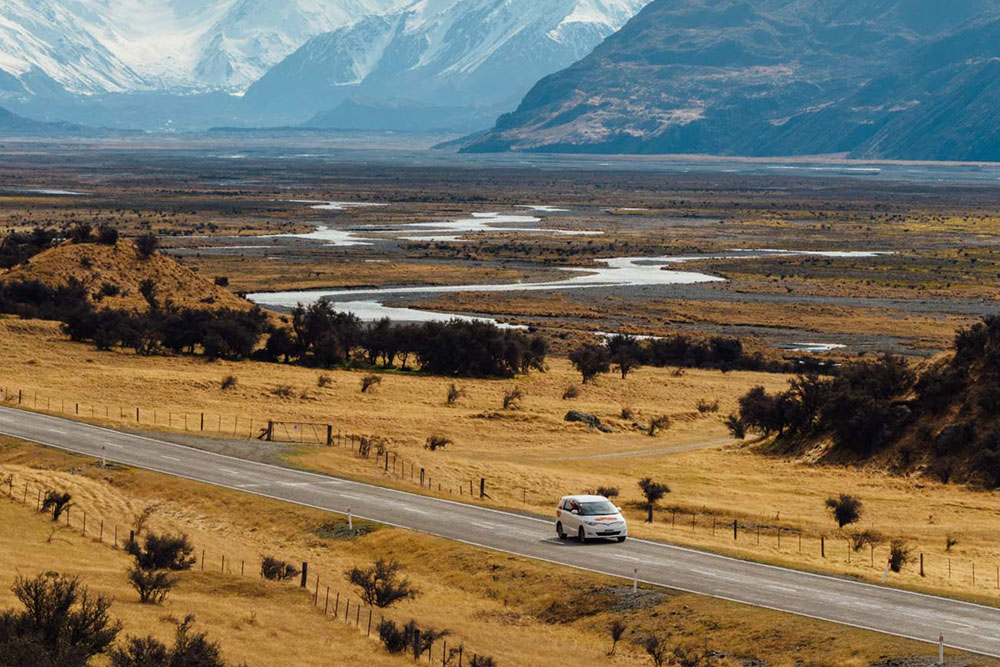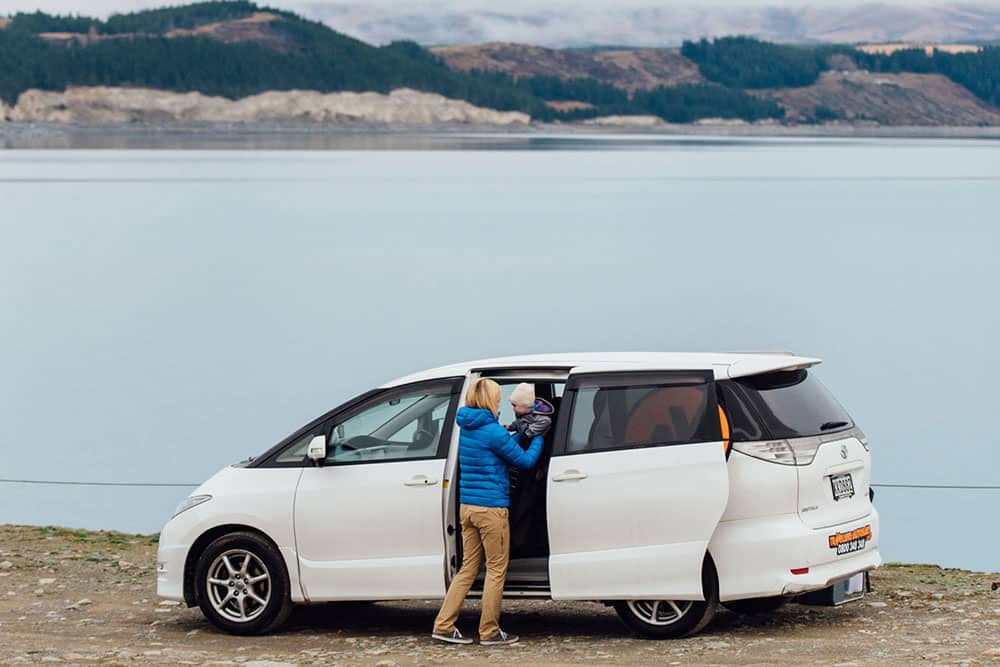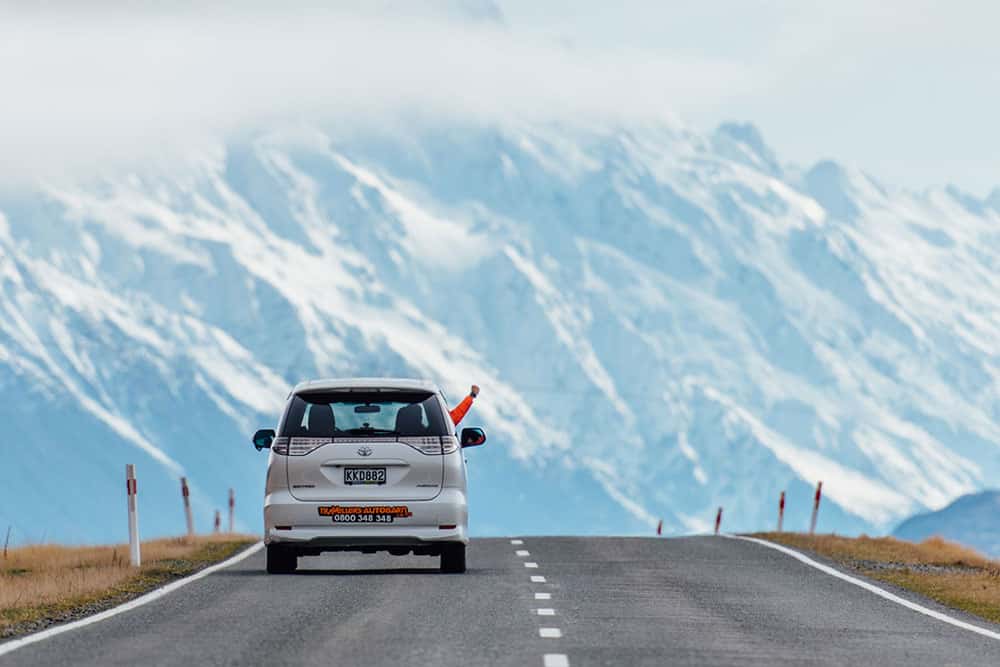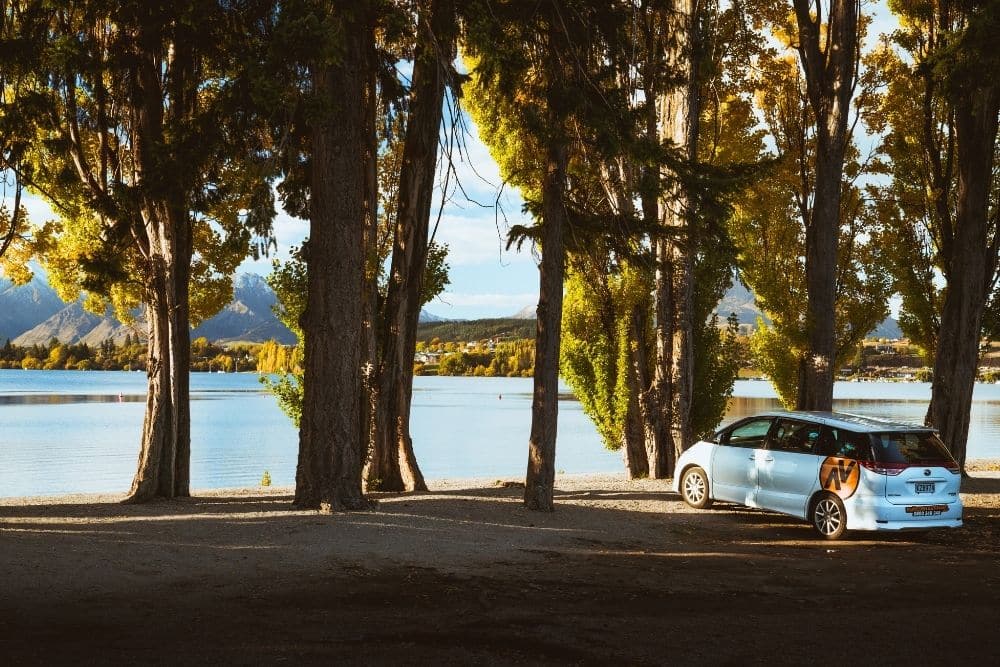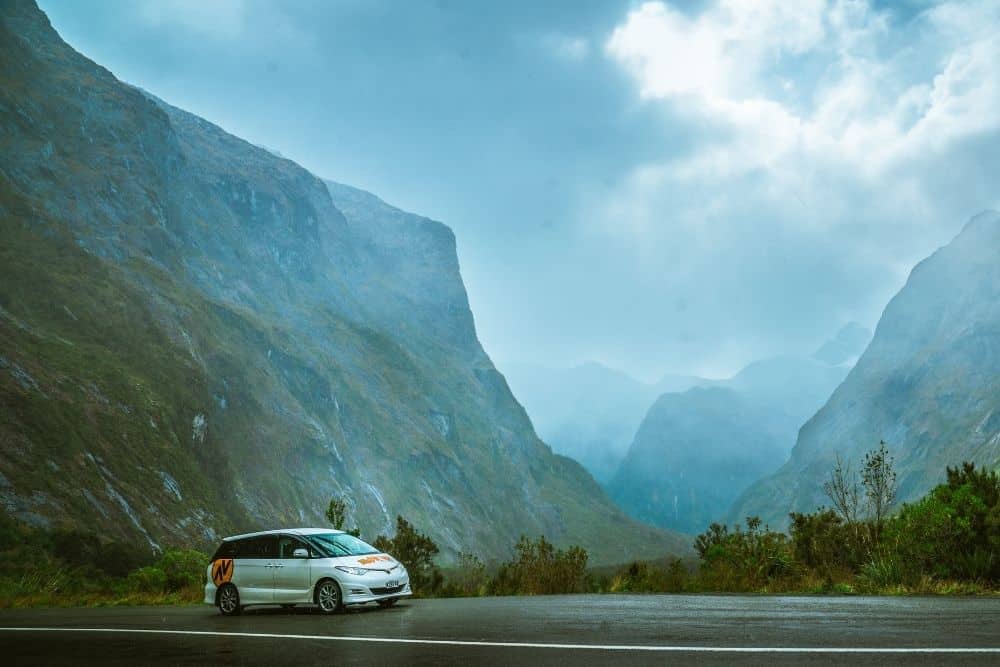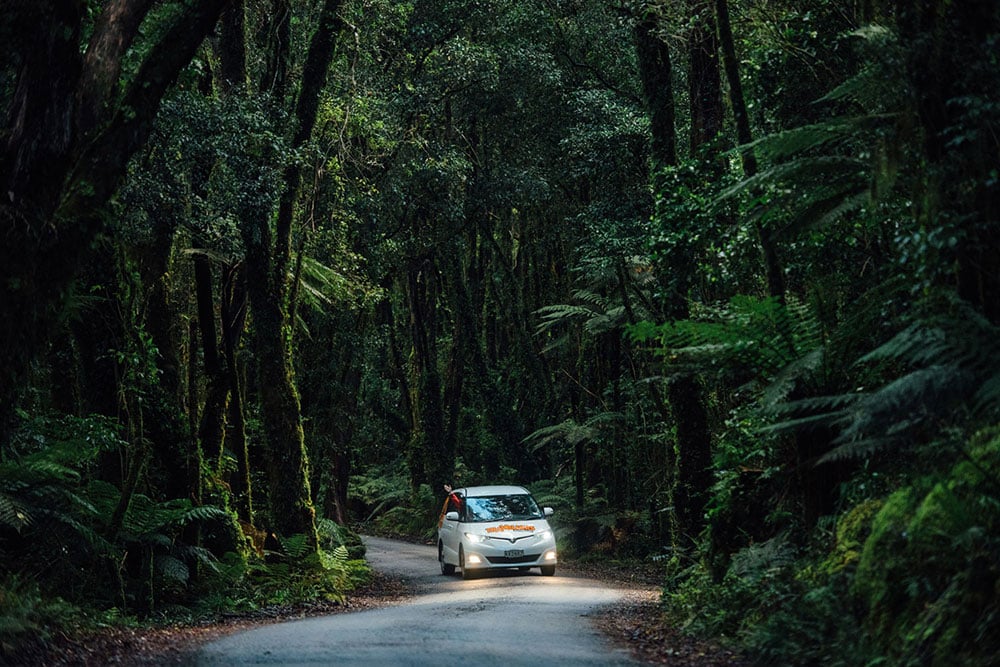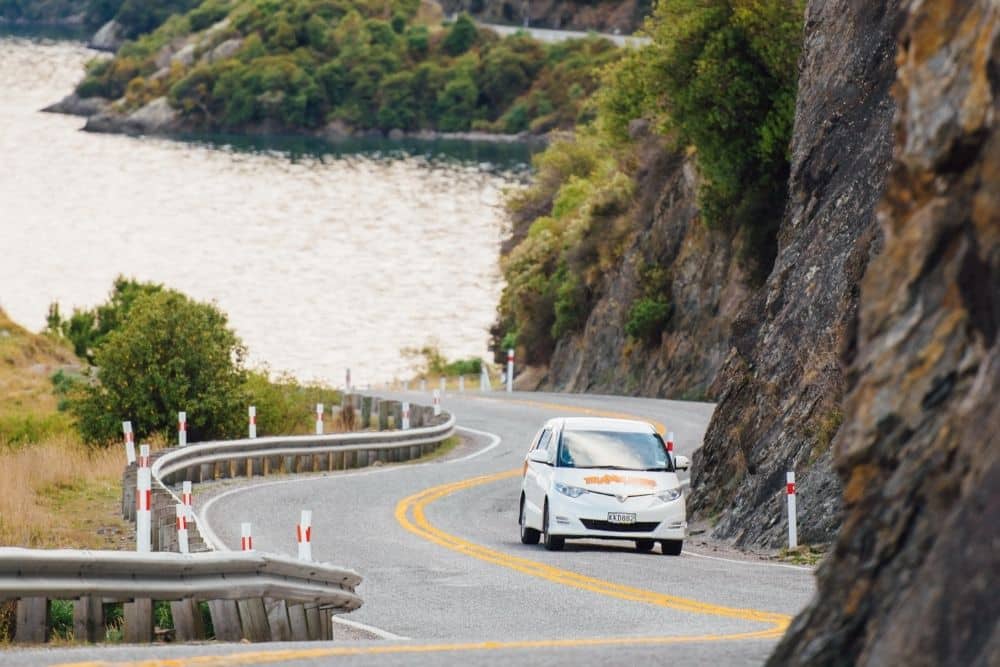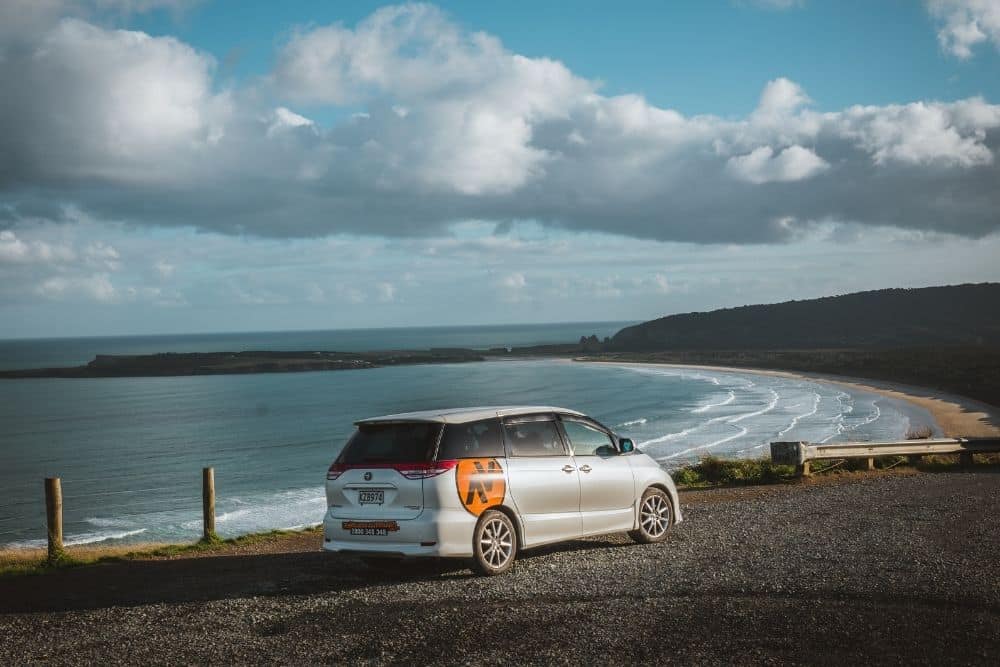
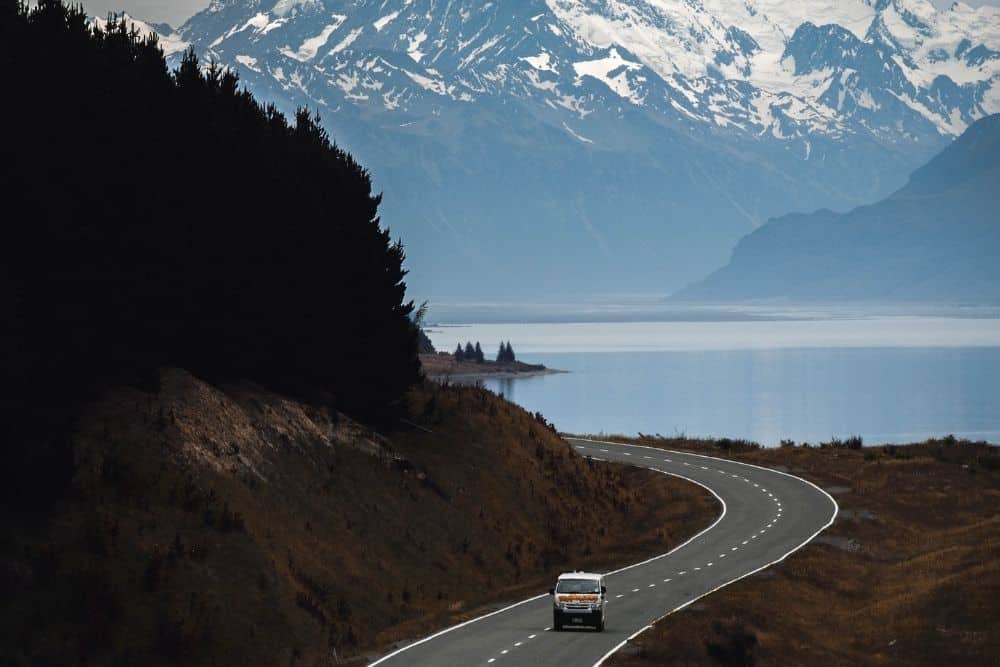
A 15-day road trip from Christchurch to Dunedin offers an exquisite getaway. You’ll explore vibrant cityscapes as well as beachfront suburban areas, tranquil countryside, and snowy mountains. From Christchurch Botanic Gardens in Christchurch to Saint Clair Beach in Dunedin, you will be astounded by the diversity of scenery and experiences accompanying your journey along New Zealand’s South Island.
Christchurch to Dunedin Distance
Having a road trip from South Island’s largest city, Christchurch, to Dunedin will take around 9 hours and 10 minutes via State Hwy 75 and covers 666 kilometres, spread over ten days. Although the distance from Christchurch to Dunedin may seem daunting at first glance, don’t let that discourage you! Make sure you take plenty of breaks along the route to stretch your legs and take in the breathtaking scenery along the way. From the city lights of Christchurch to the rolling hills and quaint small towns, there’s something for everyone to enjoy on this adventure.


Day 1-2: Christchurch to Akaroa
Travel Time: 1 hour 23 minutes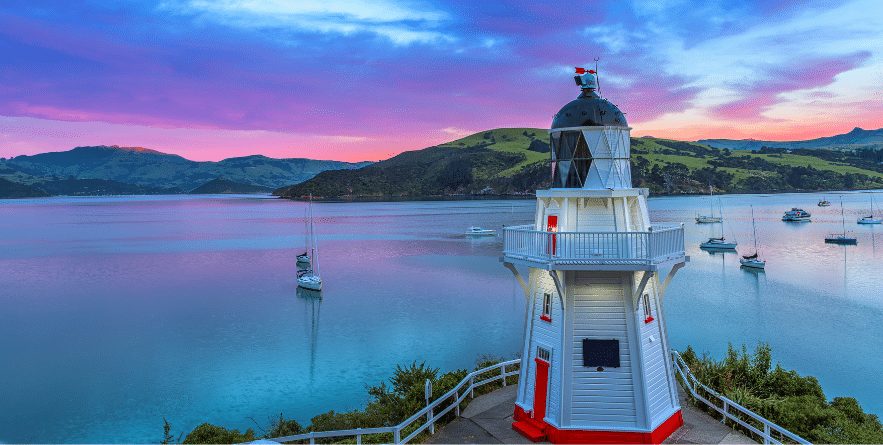
Akaroa is a picturesque seaside town with glamping opportunities that will take your breath away. Located just outside of Christchurch, there’s plenty to do in the area, including taking boat tours to view the region’s diverse marine life, such as the resident Hector’s dolphins. If you’re looking for an authentic Maori experience, visit Ōnuku marae – a marae of Ngāi Tahu and its Ōnuku Rūnanga branch. Besides glamping and swimming with dolphins, visitors can explore the rolling countryside, filled with wildlife reserves and rural farms, as well as other attractions within Akaroa.
Sightseeing #1: The Giants House
Akaroa’s The Giants House is a unique creation of artist Josie Martin, renowned for its creative sensory feast of terraced gardens, sculptures, mosaics and ceramics. It is a Garden of International Significance (NZGT) with six stars and the perfect place for travellers to indulge in a seriously playful experience with extraordinary features around every corner. Adorned with an imported mahogany staircase from France and beautiful open fireplaces, the house will transport visitors to another world from the grand entrance hall. Large sunny shelters offer generous views across the gardens adding to the magical ambience, while the conservatory also hosts a mosaic floor that delights. The Giant’s House has been featured on top television programmes and in magazines, so visiting this incredible Akaroa landmark is no less worthwhile.
Sightseeing #2: Otepatotu Scenic Reserve
Otepatotu Scenic Reserve is located along the Summit Road above Akaroa providing visitors with stunning views of the Banks Peninsula and the surrounding area. Walking up the hill through the forest is one of the main activities associated with this reserve, although you can still get beautiful glimpses of nature from the car park. With its Otepatotu name meaning ‘Place of the Fairies’, it is no surprise why children and adults alike are drawn to experience this unique slice of New Zealand’s landscape during their travels on Summit Road.
Day 3-4: Akaroa to Ashburton
Travel time: 1 hour 57 minutes
As you continue your journey through the breathtaking scenery of New Zealand’s South Island, don’t miss the opportunity to stop in Ashburton. Situated between the Rakaia and Rangitata Rivers, this charming town was once a dry, treeless area. However, with the creation of irrigation schemes, the land has been completely transformed, and now it’s a major service centre for the local farming district. The town’s main museum tells the incredible story of how Ashburton overcame drought. If you’re an art lover, the local galleries are must-visit spots. Be sure to try fishing in the nearby rivers, which are famous for their abundance of salmon and sea-run trout.
Sightseeing #1: Ashburton Domain
You simply can’t miss Ashburton Domain – it’s the town’s pride and joy! With 37 hectares of beautiful open spaces, gardens, and recreational facilities, there’s something for everyone. Located just a short walk from the town centre and schools, it’s perfect for sports, family fun, and fitness enthusiasts. Kids will love splashing in the shaded paddling pool, exploring the playgrounds, and zooming along the multi-use track. And if you’re into staying active, the fitness track with exercise stations is just what you need. So go ahead and experience the magic of the Ashburton Domain!
Sightseeing #2: Ashburton Aviation Museum
Ashburton has an incredible history as a World War 2 training base, and you can still see remnants of that time today. Be sure to check out the Ashburton Aviation Museum, right at the airport, where you’ll find over 20 amazing aircraft on display. From the historic DC3 airliner ZK AMY to the rare Thompson Refueller, this is your chance to dive into a fascinating chapter of aviation history. So, get ready to spread your wings and explore this must-see attraction in Ashburton!
Day 5-6: Ashburton to Lake Tekapo
Travel Time: 1 hour 43minutes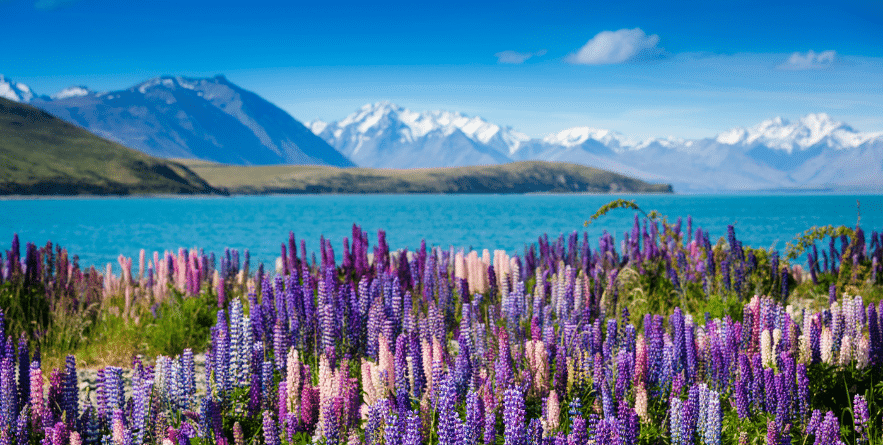
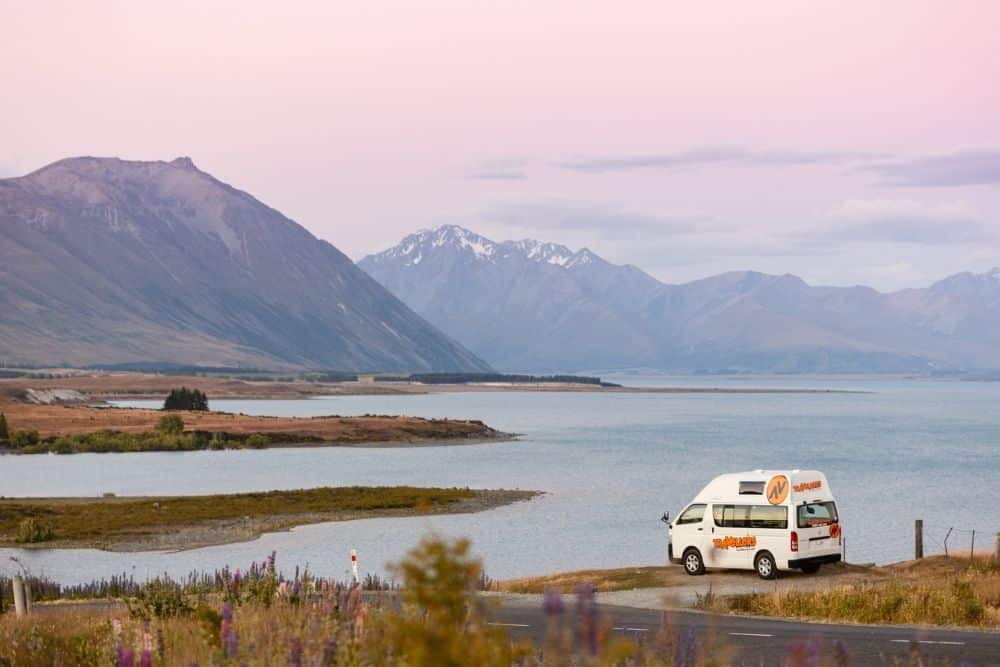
Lake Tekapo is an iconic New Zealand destination found in the interior of the South Island. This small township lies at the foot of the Southern Alps and is part of a UNESCO Dark Sky Reserve, affording wondrous night-time scenery. Within a three-hour drive from Christchurch, Lake Tekapo offers guests the opportunity to explore miraculous alpine valleys, soak up starry skies or simply relax in one of its comfortable lodgings. Day three and four of an unforgettable ten-day road trip from Christchurch to Dunedin should most certainly be spent here gazing across the lake’s turquoise expanse and indulging in all Lake Tekapo has to offer.
Sightseeing #1: Lake Tekapo
Lake Tekapo is a popular sightseeing destination located in the Mackenzie Region, filled with crystal clear glacial waters providing a display of brilliant colours. The lake is surrounded by the Southern Alps, adding to its natural beauty. Visitors can enjoy the views of Lake Tekapo, experience activities such as kayaking or boating around it, and trekking through many trails near the lake for a complete outdoor adventure. This popular sightseeing spot also offers excellent pastoral scenes in every direction. There are plenty of awe-inspiring photo spots around Lake Tekapo – from hot springs to off-beaten tracks, making it an ideal spot for visitors who want a taste of New Zealand’s inimitable landscape.
Sightseeing #2: Dark Sky Project
Dark Sky Project, formerly known as Earth & Sky, boasts the clearest night skies in the region and offers visitors private viewing experiences of the Southern skies with the use of powerful optical telescopes. As a leader in Astro-tourism and stargazing, this location works hard to preserve and advocate for minimal light pollution, often lost in other populated areas affected by light pollution. Visiting Dark Sky Project is an unforgettable experience for all who come, providing an opportunity to be enraptured by the wonders that lie beyond darkness and explore a world that many rarely take the time to appreciate.
Day 7-8: Lake Tekapo to Timaru
Travel Time: 1 hour 15 minutes
Timaru, the second largest city in Canterbury and midway between Christchurch and Dunedin, makes an ideal stopover on a 15-day road trip. Spend the afternoon enjoying what Caroline Bay has to offer, including a safe swimming beach, botanic gardens, a landscaped piazza and plenty of walking trails. During Boxing Day each year, hundreds flock to Caroline Bay for the summer carnival. There are plenty of restaurants and cafes that link the beach to the main shopping area, as well as a local brewery worth visiting. Timaru also has an excellent museum complete with moa-hunter artefacts and whaling relics alongside its renowned art gallery.
Sightseeing #1: Timaru Botanic Gardens
Timaru Botanic Gardens, one of New Zealand’s oldest botanic gardens situated within 19 hectares of land in south Timaru, boasts collections comprised of the best examples of Australian plants, conifers and rose species. Not only is the border featuring native plants from the Canterbury region a particular highlight for travellers visiting the garden, but also are its lush lawns, pond, and an abundance of shady trees providing refuge, especially after a long stint on the highway. Tourists can find solace in this beautiful, restful place while being surrounded by vibrant plant collections.
Sightseeing #2: Caroline Bay Beach
Visiting the stunning Caroline Bay Beach in Timaru is an experience that you won’t soon forget. You can enjoy a leisurely stroll, run or jog around the bay, or even plan to go on one of its open days to use equipment such as skateboards and bicycles. Children will also love spending time here, as they can explore the aviaries and paddle in the pool, while adults can marvel at the historic photos adorning buildings around them before heading off for food at some of the local cafes accessible by connecting stairs or a lift option. Ample parking for any car size or for campers ensures that getting here isn’t a problem either.
Day 9-10: Timaru to Oamaru
Travel Time: 1 hour 2 minutes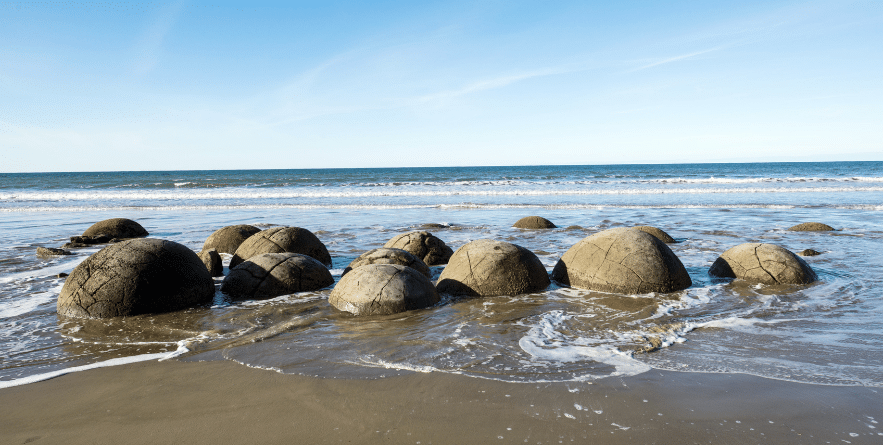
Taking the coastal route for a few hours from Timaru to Oamaru, you can admire the scenery along the way and take a breather at the Moeraki Boulders on the way. Oamaru is the largest town in the Waitaki District, offering an abundance of attractions and activities that are unique to this part of New Zealand. Travellers can experience limestone architecture in the Victorian Precinct, explore one of the country’s oldest public gardens, and see two penguin colonies, just a few highlights. There are also several restaurants, cafes and shops to peruse, and bike parks for the kids. You will be surrounded by an ambience, unlike any other place in this part of the country, as its passionate locals proudly share its heritage. So on days 9-10 of your road trip, make sure you take time out to visit Oamaru for a memorable experience that will remain with you long after your journey has ended.
Sightseeing #1: Steampunk HQ
Visitors to Steampunk HQ in Oamaru will be immersed in a unique world of art, sound and light. The museum is set within an 1880s Grain Elevator building, creating a truly captivating atmosphere. Unparalleled among its kind, The Portal installation features retro-futuristic mirrors and special light sculptures that set the mood perfectly. Experiencing this destination in person is sure to be an unforgettable experience that transcends reality and promises to introduce visitors to exotic new concepts.
Sightseeing #2: Oamaru Blue Penguin Colony
A visit to the Oamaru Blue Penguin Colony offers a unique experience that combines observation and research. This tourist operation facilitates appreciation of these natural creatures in their own environment while being mindful of long-term sustainability and conservation objectives. A team of experts, including a Research Scientist, provide valuable insights into the lifecycle of little penguins and ensure that their delicate numbers are safeguarded. At sunset each evening, visitors gather in awe to watch what can only be described as a magical ceremonial march of the coming home of these curious creatures.
Day 11-12: Oamaru to Moeraki
Travel time: 32 minutes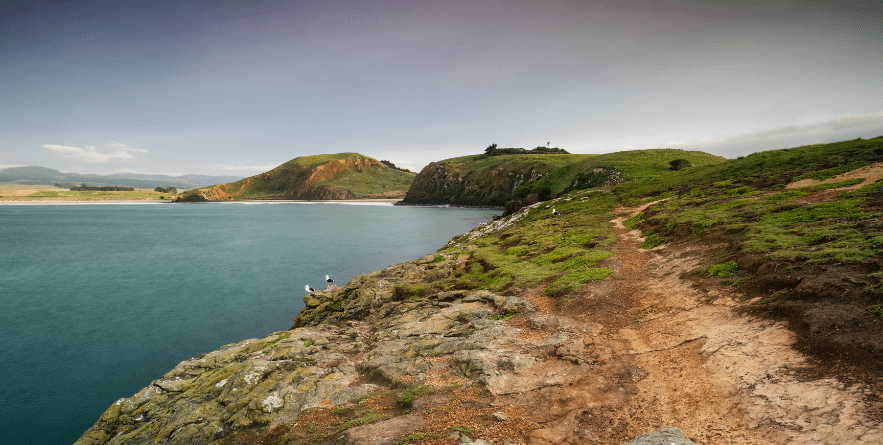
On days 11-12, make sure to make a stop at the Moeraki – a geological marvel that has captured the world’s attention. These enormous boulders, some as big as a car, are scattered throughout a beach at Moeraki and are believed to be over 60 million years old. The perfectly rounded shape and size of the rocks have sparked scientific curiosity and ancient Maori legends. You won’t want to miss seeing these unforgettable boulders that seem to have been placed by giants themselves.
Sightseeing #1: Trotters Gorge Scenic Reserve
If you’re looking for a unique sightseeing experience while in Moeraki Boulders, a visit to the Trotters Gorge Scenic Reserve is a must. The reserve boasts an array of river-sculpted caves and spectacular views out to sea. But what sets this place apart is its diverse range of New Zealand’s bush birds – a great opportunity for bird enthusiasts to hear and see these feathered creatures up close. Keep your ears peeled for the distinct call of the NZ falcon, also known as karearea. And if you’re lucky, you might spot some native fish in the streams, too. The caves and cliffs here are the results of a geological phenomenon that happened over 12,000 years ago after the last ice age.
Sightseeing #2: Katiki Point Lighthouse
You can’t miss the Katiki Point Lighthouse when you’re exploring Moeraki Boulders. This stunning spot boasts jaw-dropping views of the Pacific Ocean – perfect for a leisurely walk with just a few short, steep sections on the way back from the beach. Don’t forget your camera; you’ll want to capture these gorgeous vistas for sure. Just remember to be respectful when admiring the wildlife: keep a safe distance, don’t touch or handle them, and avoid using flash photography. Trust us, taking a breather at Katiki Point Lighthouse is totally worth it – enjoy the view!
Day 13: Moeraki Builders to Blueskin Bay
Travel time: 45 minutes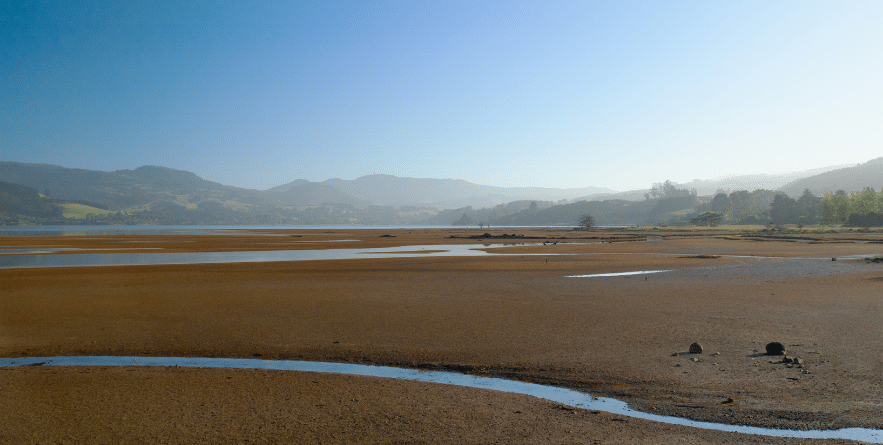
On the thirteenth day of your Christchurch to Dunedin road trip, you’ll want to make sure you stop and take in the sights at Blueskin Bay. This sprawling estuary rests beside State Highway 1, just 19 kilometres north of Dunedin. With the charming village of Waitati hugging the southern shore and Warrington boasting a popular swimming beach and leisurely walk to the estuary mouth, Blueskin Bay has something for everyone. If you’re in the mood for stunning views, take a drive north on Coast Road towards Karitane.
Sightseeing #1: Doctor’s Point Reserve
Ready for an unforgettable adventure in New Zealand? Add Doctors Point Reserve in Blueskin Bay to your must-visit list! This hidden gem boasts a gorgeous sandy beach for relaxation or exploration, with short walking tracks showcasing the area’s beauty. The real magic, though, lies in the nearby sea caves – these natural arches in the rock cliffs are simply breathtaking! Just remember to visit during low tide. You’ll even find another beach connected to the caves, where you can explore the historic Maori Pa at Mapoutahi Head. Don’t miss out on this extraordinary experience – it’s one for the books!
Sightseeing #2: Orokonui Lagoon Walk
Nestled near Waitati, Otago, lies the Orokonui Lagoon Walk, a 2.2-mile loop trail that’s perfect for those looking to explore Blueskin Bay. This trail is well-known for its birdwatching opportunities, making it a great destination for avid birders, and those looking to hike or run can also enjoy this route. The best part? You won’t have to worry about crowds or busy trails – it’s unlikely you’ll run into many other folks while exploring. With an average completion time of 46 minutes, this trail is a great way to spend a leisurely afternoon in the great outdoors.
Day 14-15: Blueskin Bay to Dunedin
Travel Time: 28 minutes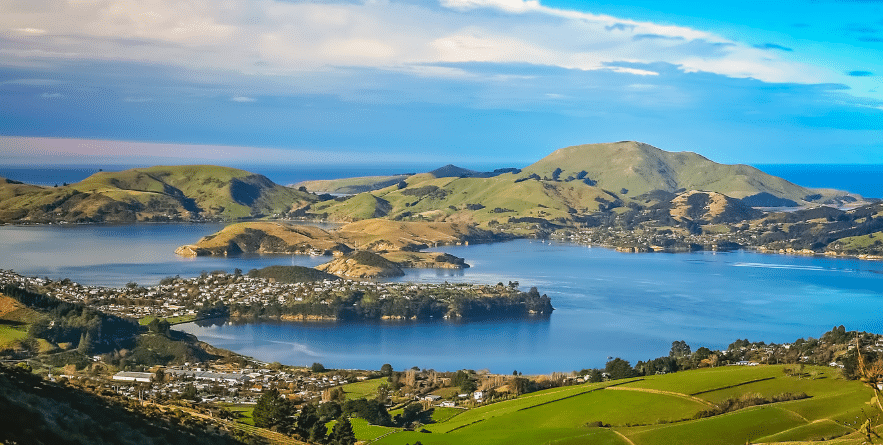
After an amazing 13 days of exploring the best sites from Christchurch to Blueskin Bay, it’s time for the final destination of your 15-day road trip. On day 14, head south down the Eastern Coast and make a stop in Dunedin, known for its breathtaking scenery, impressively built heritage and abundance of native wildlife. Once here, you can see humming or screeching Australian Penguins at special viewing areas or meet the locals at one of many zoos and conservation centres. And since you’re already here in Dunedin, why not swing by Baldwin Street, the world’s steepest street? We recommend parking at its base and walking up for the full effect.
Sightseeing #1: Otago Peninsula
Located east of Dunedin city centre, the rugged peninsula serves as the crater wall of an ancient volcano. Footpaths crisscross across its landscape, leading visitors to lookouts and vantage points, including Victory Beach with its Egyptian-style rock art formation known as ‘The Pyramids’ and Allans Beach with its rare yellow-eyed penguins and sea lions/fur seals. Ancient forests drape over valleys, while secret coves provide ideal sites for kayaking or enjoying a picnic by the sea. Nature lovers will marvel at the native bird species that inhabit the area, particularly rare species like tuis and bellbirds, which thrive within this unique environment.
Sightseeing #2: Orokonui Ecosanctuary
When visiting Dunedin, be sure to make a stop at Orokonui Ecosanctuary. The wildlife sanctuary is over 307 hectares and is the only cloud forest in New Zealand. It is home to threatened species and habitats, and its long-term goal is to ensure these species and the surrounding community thrive. Visitors can explore the sanctuary Thursday through Monday between 9:30 am and 4:30 pm, while Horopito Cafe serves delectable dishes from 10 am – 3 pm. Be sure to come on the days when it’s open – Tuesday and Wednesday are closed.
Happy Exploring!

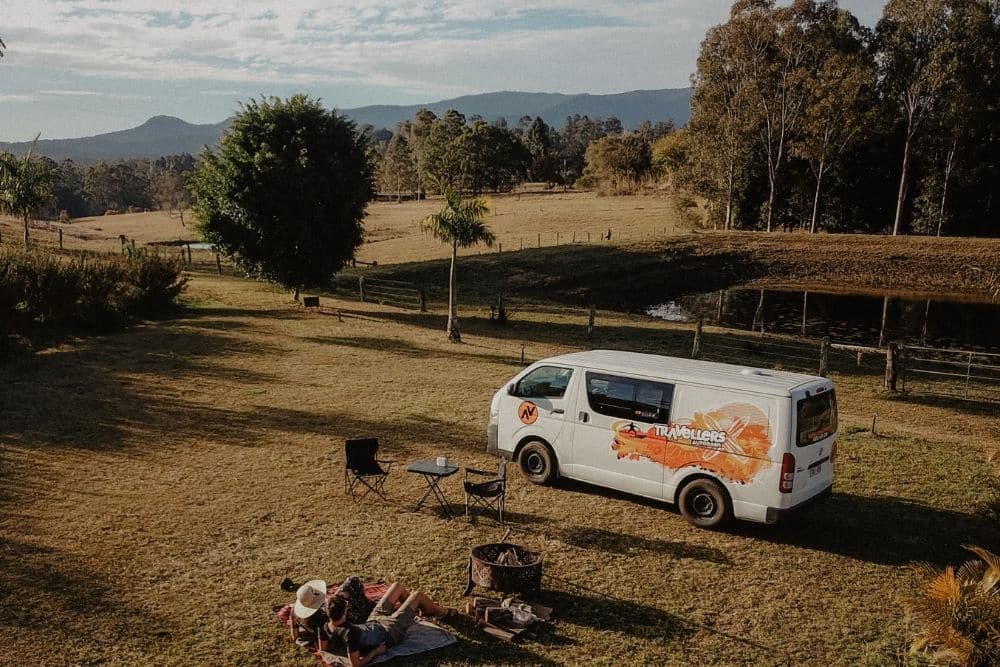
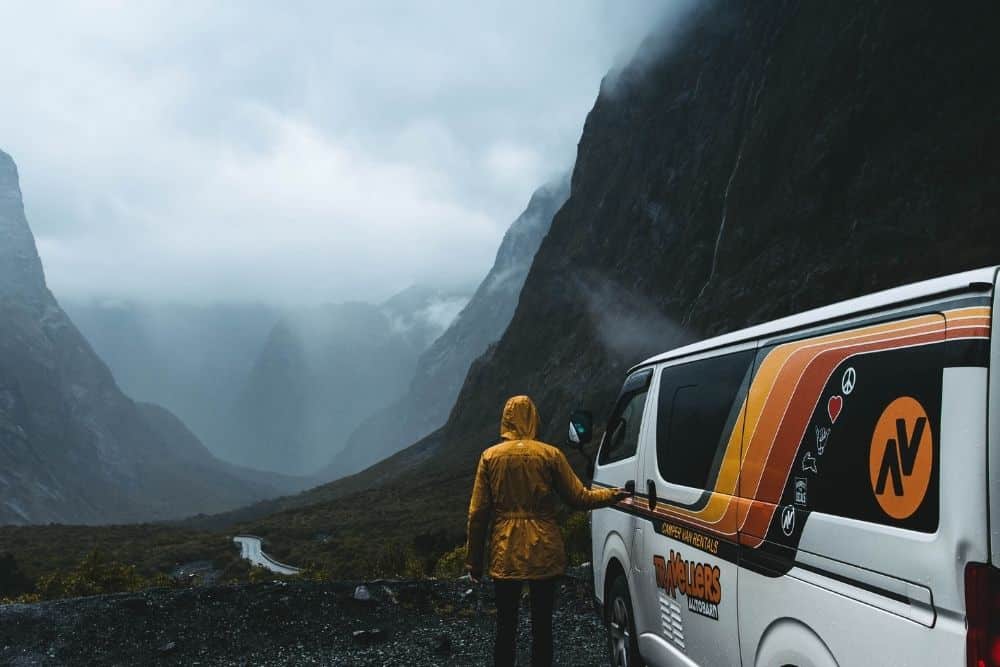
Embark on a journey from Christchurch to Dunedin and experience one of the world’s best road trips. Don’t forget to check out our latest deals on campervan hire in Christchurch and explore New Zealand in your own time with the perfect itinerary.
Whether you want to relax, sightsee or simply embark on an adventure, this remarkable trip will not disappoint. For tips on other fantastic road trips around the South Island, head over to our South Island Road Trips.
Road Trips & Travel Tips







Our Campervans


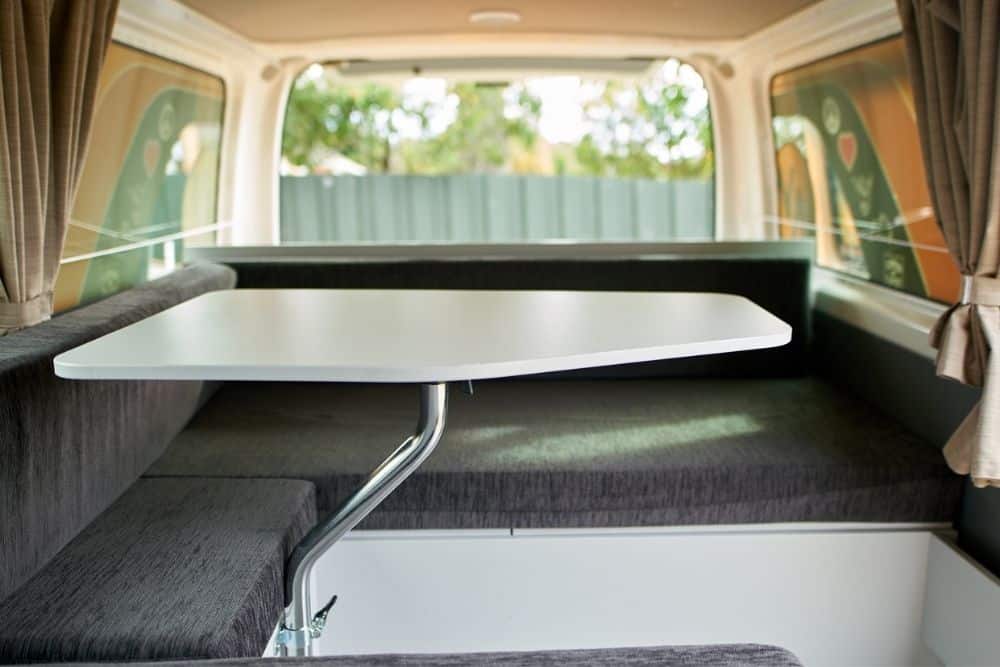

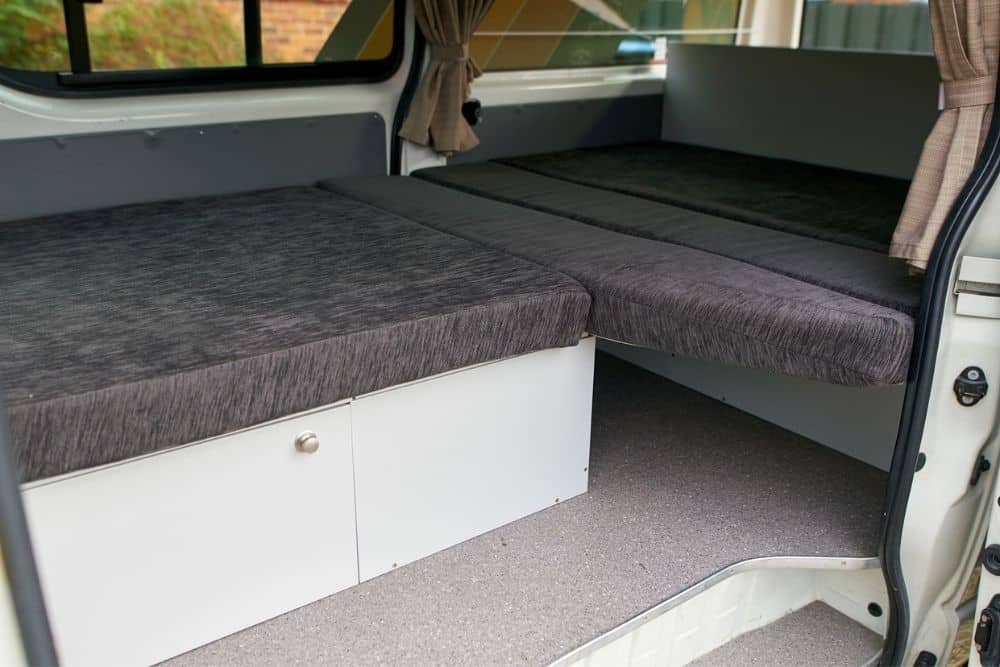













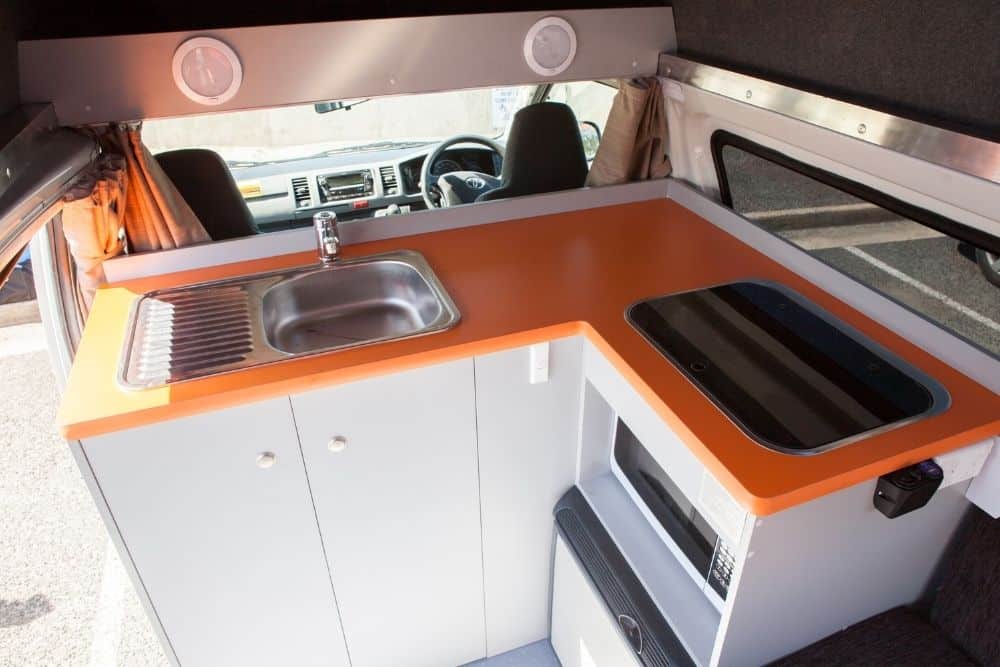


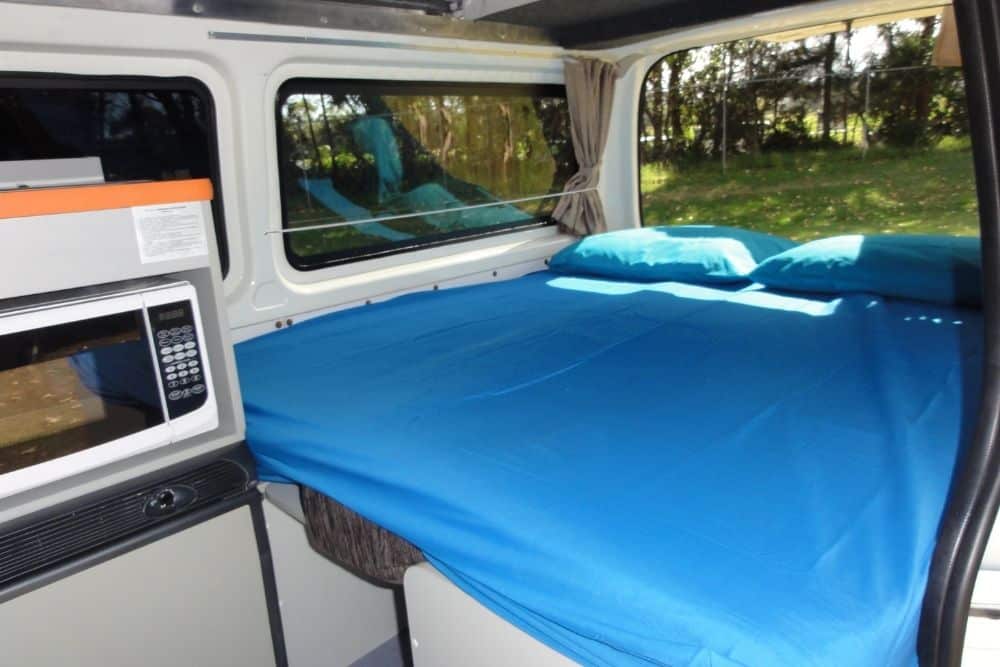






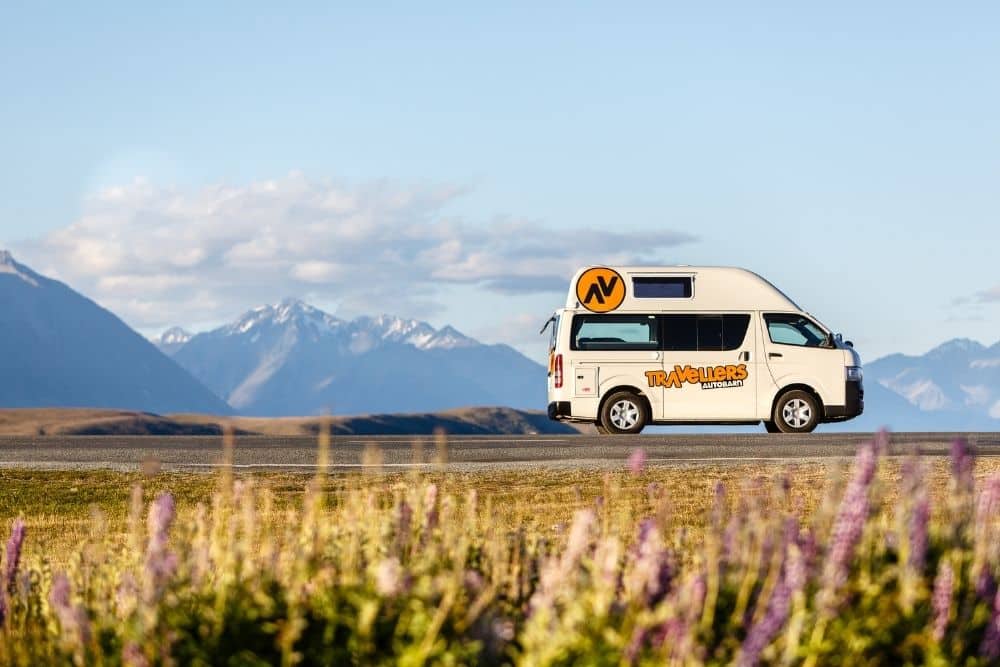

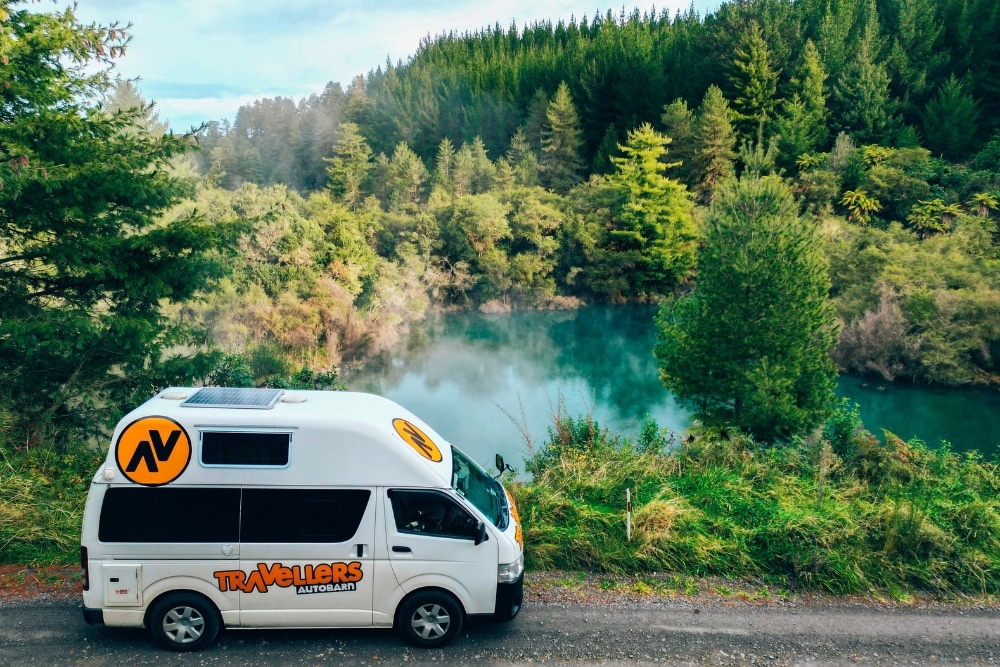
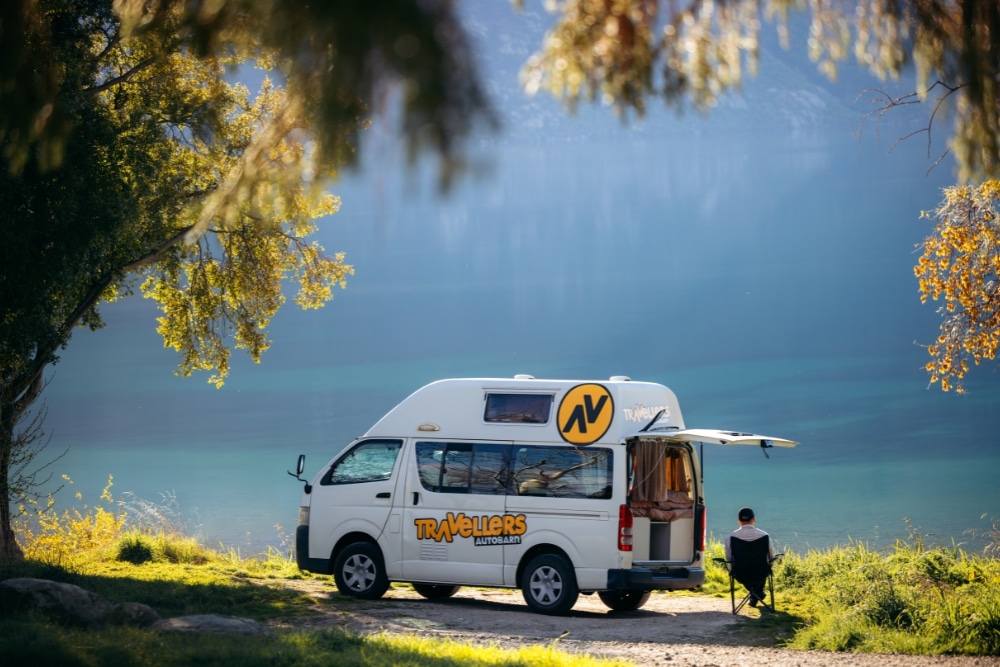
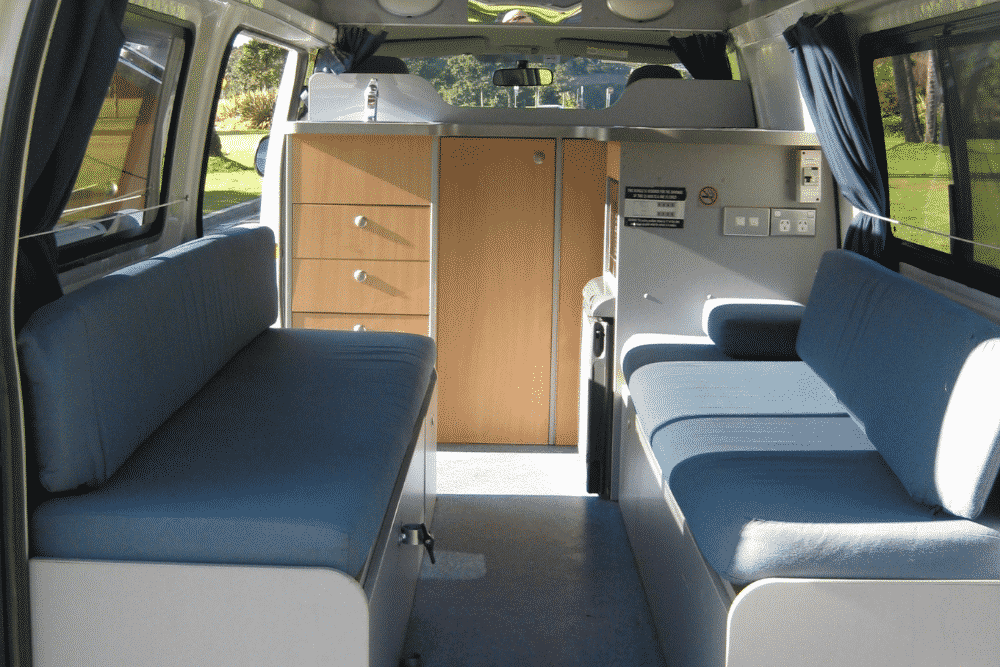
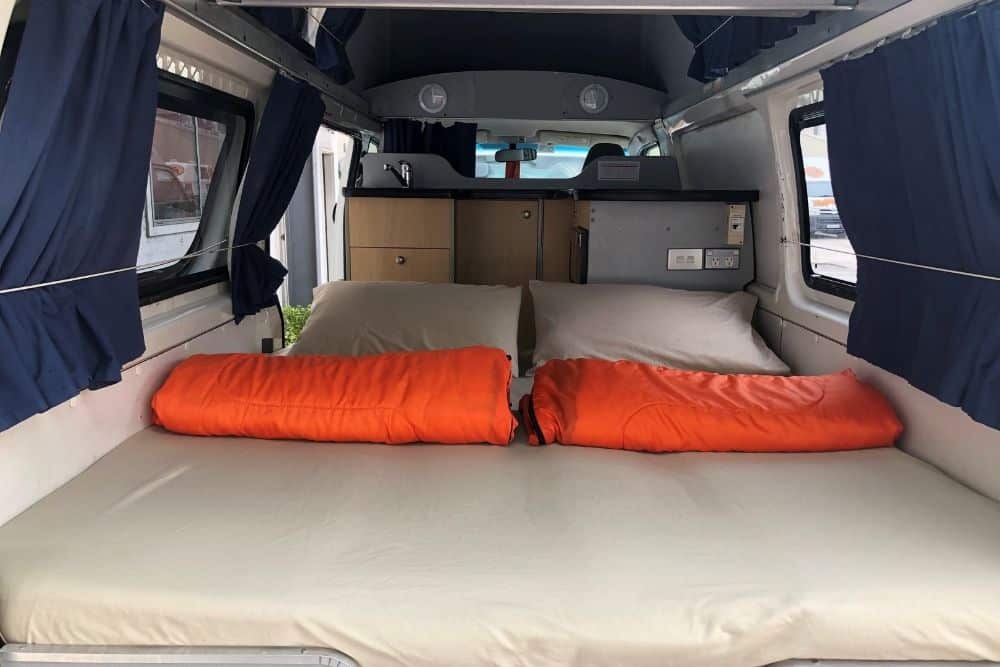
Seats 2-3 • Sleeps 2-3

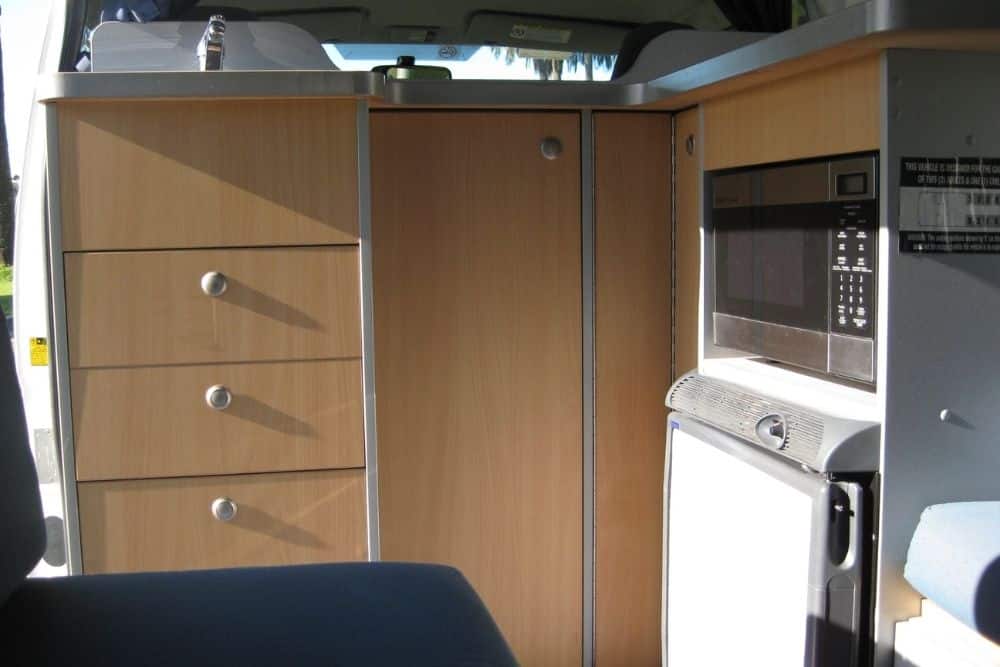
Microwave

Fridge

Gas cooker

Sink

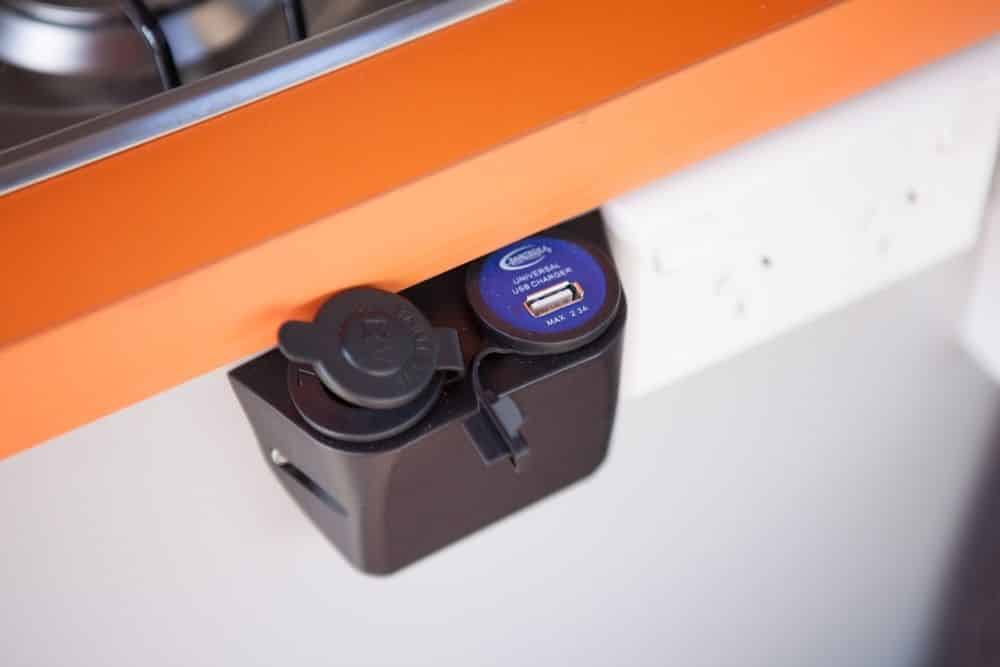
USB

Self Contained
(up to 6th Dec 2024)